
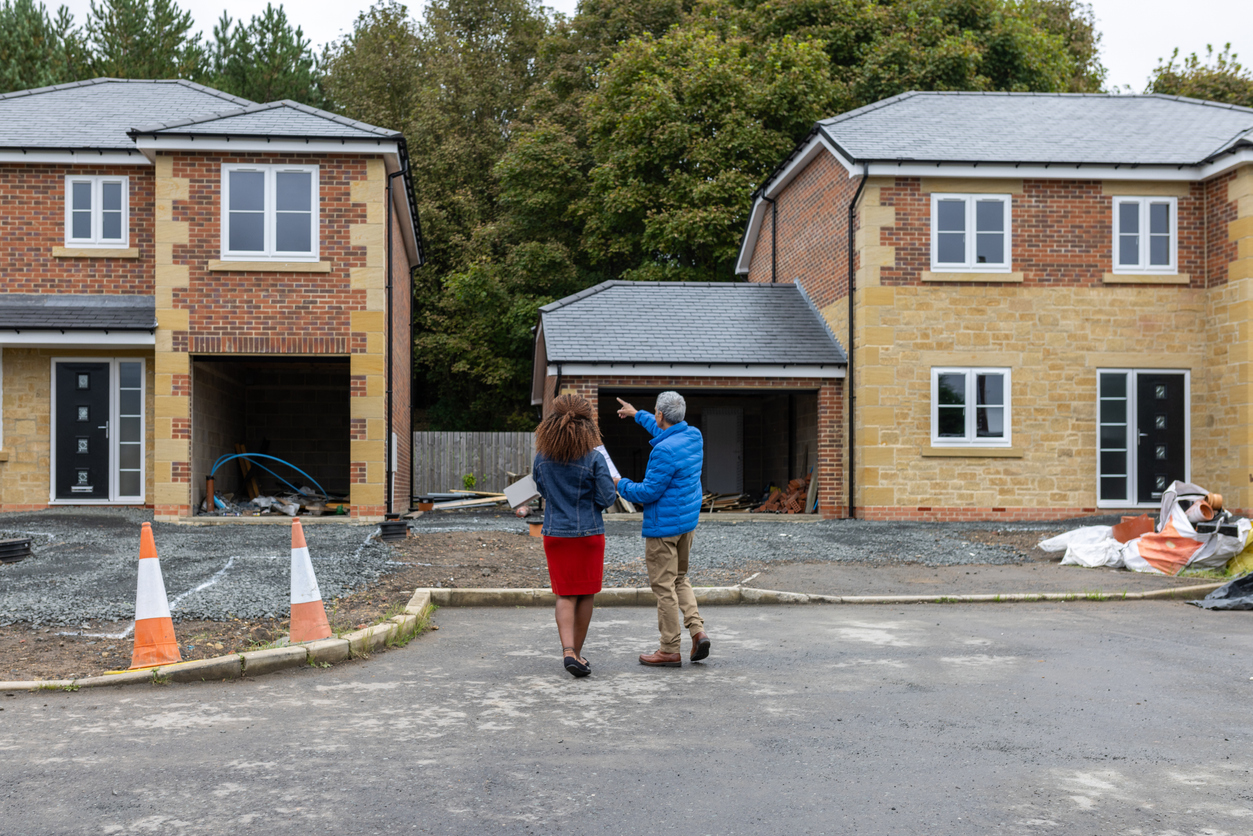
A contractor remodeling a kitchen while the family still lives in the house is doing two jobs at once, managing both the build and everyone who comes in contact with the jobsite. In a home, kids may cut through the work zone while the homeowner steps around a tool bag to get to the pantry. The same thing plays out in occupied offices, stores, and apartment buildings, where employees, customers, and tenants move through the space all day.
That constant presence of third parties is what makes these jobs hard to control. It’s also why brokers should take a hard look at general liability insurance for contractors working in occupied settings.
Why Occupied Spaces Change the Risk
On a vacant site, the contractor decides who comes and goes. On an occupied one, the public is already there, and a single distracted step near an open toolbox can become a claim.
An occupied property is one that people are still living in or using while the work goes on, and that single fact changes the math. Rather than a controlled site with limited access, the contractor shares the space with homeowners, tenants, employees, or customers who are not thinking about the work and have no reason to steer clear of it.
People move unpredictably. A contractor can rope off a room but cannot fully isolate a hazard the way a fenced, empty lot allows. Every person on site is a possible third-party claimant, and most of them are not watching where the work is.
Liability Triggers in Active Environments
A handful of patterns occur over and over in occupied-property claims:
- A resident or customer slips or trips on a cord, a tool, or loose material.
- Personal property gets damaged — furniture, electronics, inventory, or finishes that the contractor never touched but still gets blamed for.
- Dust and debris drift into living or working areas, ruining belongings or prompting complaints.
- Finish work goes wrong in obvious ways.
- Someone wanders into an area they were warned away from because nobody made the boundary clear.
Finish work earns a closer look, because it is where small errors turn visible and expensive. Everyday measurement and finishing slips can turn up on any woodworking job — loose joints, gaps, and a sloppy finish that undermines an otherwise well-built project. They look far worse in an occupied home, where the rework happens in front of the client and a scratched floor or a damaged countertop becomes a property-damage conversation.
Separating people from the work takes real planning. Contractors who build safely on occupied campuses rely on barricades and warning signs, walking routes that avoid the work, controlled access to hazardous areas, and constant communication with building users. The same habits protect an occupied home or store, and the contractors who follow them give themselves far fewer ways to end up in a claim.
What Brokers Should Evaluate Before Premium Indication
The detail that matters most is how the contractor keeps the work and the people apart. Before you request a premium indication, ask:
- What kind of occupancy is it, and how much foot traffic moves through in a day?
- How does the contractor separate work zones from the areas people actually use?
- What does the contractor use for cleanup, signage, and daily site control?
- Does the contractor mostly handle remodels and occupied work, or mostly new builds with no one around?
A few conditions should give you pause: tight timelines that push crews to cut corners, shared entrances where workers and occupants use the same door, and crowded interiors with nowhere to stage materials out of the way. Each one raises the odds of a third-party incident, and each one belongs in the submission.
The more details you can hand the underwriter, the more accurate the premium indication, and the better your odds of placing the account with a carrier that understands occupied-property work.
Common Questions About Construction in Occupied Spaces
What types of incidents trigger general liability claims in occupied properties?
These claims usually involve third-party bodily injury and property damage. A tenant trips over a cord, a customer slips near a work area, dust ruins inventory, or a finish mistake damages something the owner values.
How does general liability insurance for contractors respond to third-party injury or damage?
General liability insurance for contractors covers claims when a third party is injured or property is damaged due to the contractor’s operations, up to the policy’s limits.
Why do occupied job sites present higher exposure than vacant ones?
The simplest reason is that the people are already there. A vacant site lets the contractor control access, while an occupied one does not, so there is a greater risk of third-party injuries or property damage.
The Difference Is in the Details
In occupied spaces, seemingly small events can cause big claims. An uncovered cord, an unmarked wet floor, a skipped cleanup, or a vague instruction about which room is off-limits can each put a resident or customer in harm’s way. Brokers who ask about these details early can spot the weak points and write a submission that reflects the real risk.
Commodore understands how occupied-property work changes a contractor’s exposure and can help you evaluate the accounts that need a closer look. Get in touch with us to talk through your contractor accounts and premium indication support.
About Commodore
Commodore Insurance Services, Inc. (Commodore) is a California corporation that operates as a Managing General Agency and Program Manager. Since incorporating in 1990, Commodore has developed an expertise in the production and underwriting of insurance products for businesses across the West Coast. Our focus is on providing top-level insurance products to our clients while striving to make it easy to do business for our brokers. Try us and find out why we have continued to be successful for more than 27 years and are recognized as the trusted leader in small business insurance.