
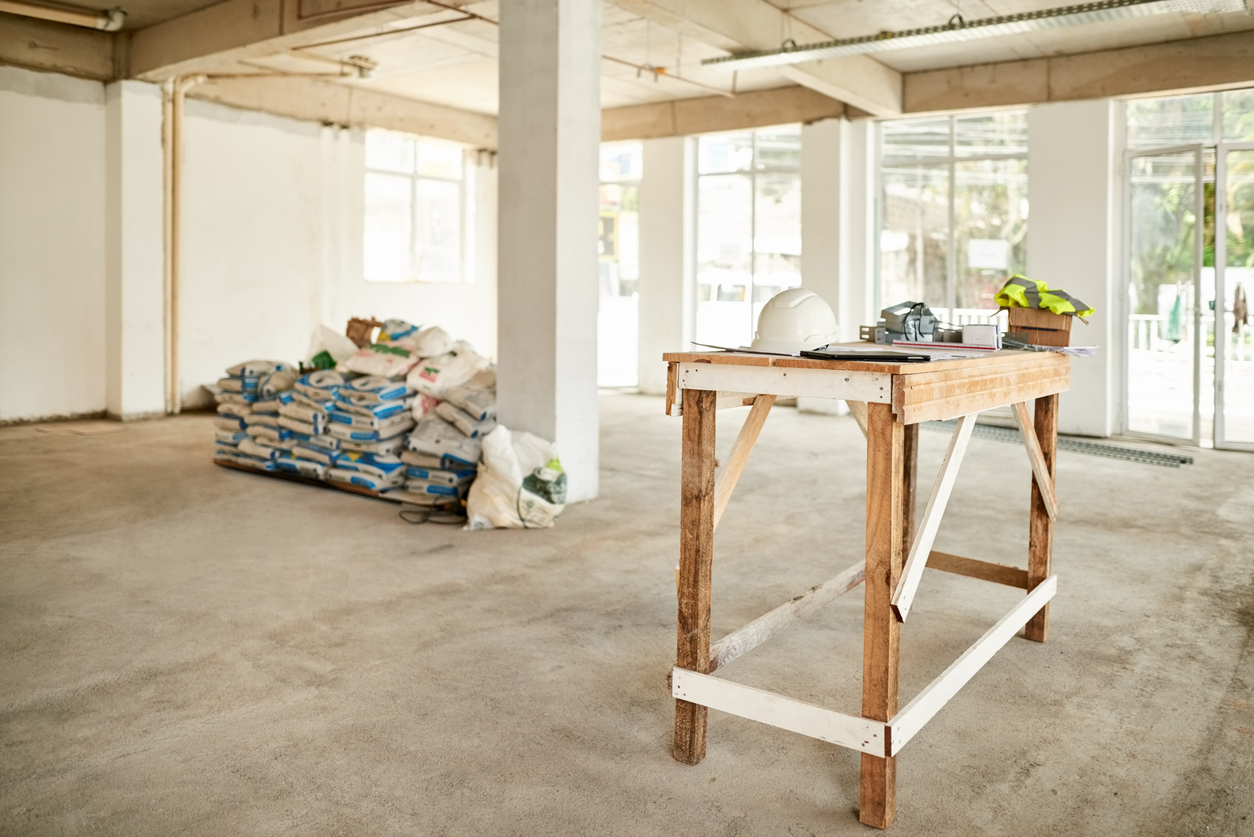
A finish carpenter leans a stack of trim against the only open wall in a hallway and runs an extension cord across the floor to reach the back room. The arrangement works fine for the crew. Then a tenant walks through that afternoon to check on the unit, catches a foot on the cord, and grabs the trim stack on the way down. Now there is an injured visitor, a pile of ruined material, and a claim that has nothing to do with the carpentry. For any broker writing general liability insurance for contractors, this is the part of the risk that isn’t obvious on the application.
Most conversations about contractor exposure begin and end with the work itself, focusing on the trades on site and the job’s scope. A large share of general liability losses comes from somewhere else: the spaces between tasks, when materials sit staged, equipment waits in storage, and foot traffic is routed down whatever path happens to be open.
Staging and Storage Are Moving Targets
A jobsite changes by the hour. Pallets land in a new spot, the lay-down area that was empty on Monday is packed by Wednesday, and the active work zone keeps creeping down the corridor.
Underwriters pay attention to these conditions because they are unpredictable by design. A walkway that someone cleared at 8 a.m. could be full of conduit by lunch. A compressor parked near a doorway might be invisible to the crew while remaining a genuine hazard to the delivery driver who has never set foot on the property.
The exposure grows whenever a contractor works around people who are not on the payroll. Occupied buildings, retail environments, renovation jobs, and other areas with steady foot traffic all present risks. A contractor can run a tidy operation and still give a stranger a reason to file a claim.
The Claims That Don’t Come From the Work
When you follow where general liability dollars actually go, a surprising amount of the spending ties back to housekeeping rather than craftsmanship. Common culprits include:
- Cords, hoses, and tools left lying across a path
- Stored equipment sitting where a visitor or vendor can reach it
- Stacked material that shifts or topples onto a car or a wall
- Debris that piles up between phases
- Temporary walkways that become blocked or hard to follow
Slip-and-fall claims remain common in this category. A look at how slip, trip, and fall accidents occur at temporary sites shows how quickly a shifting layout can turn into an injury report. Bodily injury is not the only concern, either.
The legal exposure follows close behind. A discussion of how California determines liability in slip-and-fall claims explains that anyone who owns, occupies, or controls a property must take reasonable steps to keep lawful visitors safe, and it lists everyday culprits such as boxes and electrical cords left on the floor. On a jobsite, the contractor is often the party in control of those conditions.
These habits matter even more in higher-risk environments. A contractor working on a congested commercial property or a site with steady public traffic increases the risk of injuries from staged materials and blocked walkways, so a careful read of site management is especially important.
What To Nail Down Before You Ask for a Premium Indication
A strong submission tells the underwriter how the contractor runs the site once the crew arrives each morning. When you evaluate an account, it is worth asking several questions:
- Where are materials staged, and how are they secured?
- Is there a real storage plan, or does everything land wherever there is room?
- How does the crew keep pedestrian routes clear and clearly marked?
- What does cleanup look like during the day, rather than only at the end of it?
- Who inspects the site for hazards, and how often?
Certain answers should prompt you to dig deeper. A cramped site with nowhere to store materials, several trades crammed into one zone, careless cleanup, equipment moving through public areas, and little buffer between the work and the people walking past all point to a tougher risk than the application suggests.
The more you can tell an underwriter about how a site is managed, the more accurate the premium indication you will receive, and the better your odds of placing the account with a carrier that reads the exposure the way you do.
Questions Brokers Field About Contractor GL
Why do contractors need general liability insurance?
Contractors draw third parties into their work every day, and a single trip or one falling board can turn into a serious claim. General liability coverage absorbs those third-party injury and property-damage costs rather than leaving the contractor to pay them out of pocket.
What sets off a general liability claim on a jobsite?
Most claims involve third-party bodily injury or property damage, along with the legal costs attached to them. The trigger is usually a slip, a trip, falling material, or damage caused by equipment and site conditions.
How does contractor liability insurance handle third-party injuries?
General liability insurance for contractors responds to covered claims when a third party is injured or has property damaged because of the contractor’s operations.
Why treat staging and storage as high-risk?
These areas never sit still. Materials, cords, equipment, debris, and access routes all move as the job progresses, so a hazard can appear within minutes when no one is watching the site between tasks.
Stronger Submissions Start Here
The work itself is not always where the loss begins. Frequently, it comes down to how the site is managed between phases, including where materials sit, how people move through, and who keeps the path clear. Brokers who recognize these exposures early write better submissions and can stand behind a stronger premium indication.
Staging, storage, and the transitions between phases are exactly the exposures Commodore knows how to read, and we are glad to help you size up a risk that might otherwise get past the application. Get in touch with us to discuss contractor accounts and premium indication support.
About Commodore
Commodore Insurance Services, Inc. (Commodore) is a California corporation that operates as a Managing General Agency and Program Manager. Since incorporating in 1990, Commodore has developed an expertise in the production and underwriting of insurance products for businesses across the West Coast. Our focus is on providing top-level insurance products to our clients while striving to make it easy to do business for our brokers. Try us and find out why we have continued to be successful for more than 27 years and are recognized as the trusted leader in small business insurance.