
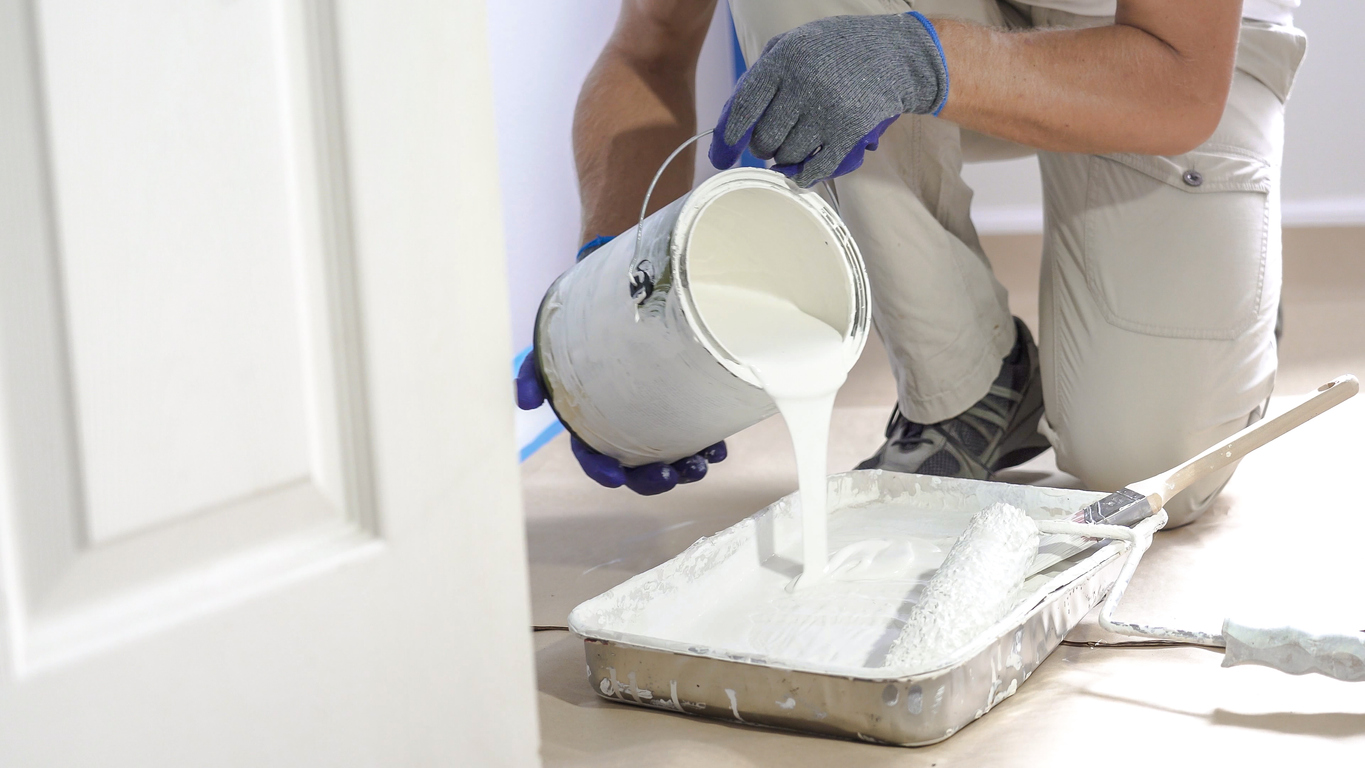
One uncovered sofa, an unsecured drop cloth, or a few seconds of uncontrolled spray can turn a routine painting job into a property damage or bodily injury claim. Painters work inside homes, businesses, and other occupied properties, where customer belongings and foot traffic can sit only a few feet from the work area. For brokers placing general liability insurance for contractors, understanding how painting contractors control those exposures can provide valuable context during underwriting.
Common General Liability Risks Painters Face on the Job
Painting puts contractors in direct contact with property they do not own, increasing liability risks. Painting contractor liability concerns can include paint spills, overspray, obstructed walkways, wet or slippery surfaces, property damage, and improperly secured materials or equipment. The specific exposure depends on where the contractor works, how the jobsite is organized, and whether customers, tenants, or other trades remain in the work area.
Consider a painter spraying cabinets in an occupied home. Poor masking could allow overspray to reach countertops, flooring, appliances, or furniture. On a commercial job, paint mist could reach merchandise or nearby vehicles if crews fail to contain the work area.
Jobsite organization creates another concern. Drop cloths, extension cords, paint containers, and other supplies can obstruct walkways used by homeowners, tenants, customers, and other contractors. Obstacles, trailing cables, and wet or slippery surfaces are slip-and-falls waiting to happen. Contractors may also face complaints involving blocked access, paint fumes, improperly stored materials, or incomplete cleanup.
Risk-Management Practices That Can Help Reduce Claims
Good risk management starts before anyone opens a paint can. Painters should walk the site with the property owner or project contact and document existing damage, sensitive surfaces, restricted areas, and any property that needs additional protection.
During the project, safeguards can include:
- Protecting surfaces: Mask floors, fixtures, furniture, windows, landscaping, and nearby property based on the work being performed.
- Controlling access: Use signs or barriers to keep customers, tenants, and visitors away from active work areas and wet surfaces.
- Keeping walkways clear: Route cords away from traffic and remove containers, tools, debris, and loose coverings from walking paths.
- Managing materials: Secure paint, solvents, and supplies when crews leave the area, particularly on occupied residential jobs.
- Cleaning up daily: Remove debris, close containers, secure equipment, and inspect the work area before leaving.
- Communicating about off-limits areas: Alert property owners or tenants when an entrance, room, or other area will become temporarily inaccessible.
Why Brokers Should Pay Attention to Painter Operations
Two painting contractors can present different exposures even when both share the same basic trade classification. One may handle vacant residential interiors, while another works in retail stores where customers remain nearby.
Brokers should give underwriters a clear picture of project types, interior versus exterior operations, spray-painting activities, occupancy, subcontracting, and typical jobsite conditions. Accurate operational information helps a managing general agent evaluate the actual exposure and provide an appropriate premium indication.
Those details also help brokers determine whether contractor liability insurance matches what the insured actually does.
General Liability Coverage Considerations for Painting Contractors
General liability does not cover every loss connected with a painting project. Employee injuries fall outside general liability coverage, and damage to the contractor’s own tools or equipment generally requires other insurance. Policies may also contain exclusions or limitations that affect specific operations or types of damage.
Brokers can help reduce coverage misunderstandings by explaining those distinctions before work begins and making sure the underwriting submission accurately describes the contractor’s operations.
Safe Painting Operations Begin With Risk Management
A relatively small painting project can still involve valuable customer property and active foot traffic. Surface protection, organized work areas, clear communication, and consistent cleanup can help painters control those exposures before they develop into claims.
For brokers, pairing sound risk management with properly structured liability insurance for contractors helps address the realities of the work being performed. Reach out to Commodore to discuss your contractor clients and obtain a premium indication.
About Commodore
Commodore Insurance Services, Inc. (Commodore) is a California corporation that operates as a Managing General Agency and Program Manager. Since incorporating in 1990, Commodore has developed an expertise in the production and underwriting of insurance products for businesses across the West Coast. Our focus is on providing top-level insurance products to our clients while striving to make it easy to do business for our brokers. Try us and find out why we have continued to be successful for more than 27 years and are recognized as the trusted leader in small business insurance.