
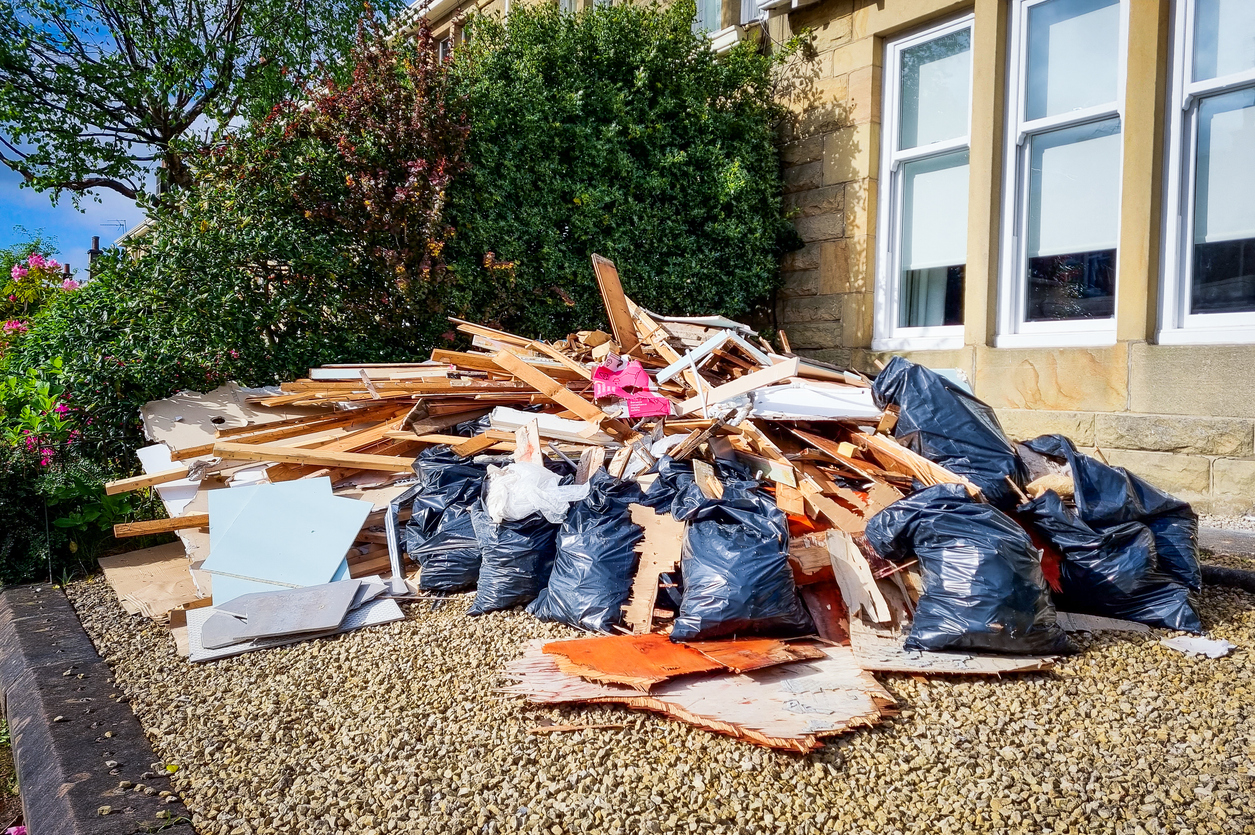
A contractor renovating an occupied condo building stacks materials in a shared hallway at the end of the workday. A tenant trips over the pile on the way to her unit. Across town, a delivery driver slips near an active work zone in a partially reopened retail space. Neither incident involved structural failure or major error. Both produced general liability claims.
These scenarios are routine on shared and occupied jobsites — and they represent an exposure that many trade contractors underestimate. For brokers, recognizing where third-party liability risk lies is the first step toward securing general liability insurance for contractors before losses occur.
Why Jobsite Access Creates Overlooked General Liability Exposure
Occupied residential buildings, active retail spaces, tenant improvement projects, and mixed-use developments all require contractors to work alongside people who are not part of the crew. Homeowners walk through active remodel zones. Tenants use common corridors. Visitors, service providers, and delivery drivers navigate around tools, materials, and temporary barriers — often without understanding the hazards around them.
This reality creates a persistent third-party contact problem. In environments where full perimeter control isn’t possible, the question isn’t whether non-employees will enter the work area. It’s how contractors manage that interaction when they do.
Unauthorized access adds another layer. Residential and accessible commercial jobsites can attract curious neighbors or individuals who bypass barriers. Once someone is injured, the contractor’s defensibility depends heavily on how clearly site control was established and documented.
Risk-Management Considerations Brokers Should Evaluate
When reviewing a contractor operating in shared or occupied environments, site-management practices matter as much as the scope of work. Relevant controls include:
- Physical separation between work zones and occupied areas
- Clearly marked access points and restricted areas
- Designated material storage away from pedestrian paths
- Documented communication with property owners and tenants about schedules, dust containment, and temporary access restrictions
These aren’t just safety best practices. They’re underwriting signals. According to the Bureau of Labor Statistics, construction and extraction workers experienced 1,032 fatalities in 2024 — and that’s among trained crews with awareness of site conditions. Third parties navigating the same environments have far less context and far less predictable behavior. Contractors without documented access controls pose a greater underwriting risk.
How General Liability Insurance Responds to Shared-Space Risks
General liability insurance for contractors is designed to address third-party bodily injury and property damage arising from jobsite operations. This coverage may respond to eligible claims covering medical expenses, legal defense costs, and settlements related to incidents such as:
- Third-party trips and falls resulting from improperly stored materials
- Homeowner property damage tied to water intrusion, paint overspray, or debris from active work areas
- Bodily injury to a tenant or visitor caused by unmarked temporary barriers or uneven walking surfaces
- Delivery driver injuries sustained while navigating a reconfigured or partially blocked access route
- Injury claims from unauthorized individuals who accessed the site through inadequate perimeter controls
- Neighboring occupant claims involving dust, debris, or damage that migrated beyond the immediate work zone
But coverage alone isn’t the conversation brokers should be having. Underwriters evaluate contractor liability insurance submissions based on how well contractors manage public interaction within active sites.
Documented controls, clear access protocols, and evidence of tenant communication support more favorable premium indication outcomes. Their absence raises frequency and severity concerns that affect how the risk is priced and whether it’s written at all. Brokers who understand these dynamics can prepare stronger submissions — and help contractors identify operational gaps before a claim makes those gaps visible.
Jobsite Access Claims Start With Everyday Interactions
Third-party liability claims on occupied jobsites don’t necessarily stem from major construction failures. They can come from stacked materials in the wrong hallway, a dust barrier that didn’t hold, or a delivery driver who followed a makeshift path into an active zone. These are manageable risks — when they’re identified early.
Brokers play a direct role in that identification. Proactive conversations about shared-space exposure help contractors understand where vulnerabilities exist and give brokers the context they need to structure appropriate coverage.
Partnering with a managing general agent that understands trade contractor operations and underwriting nuance supports better premium indication conversations and long-term account stability. To learn more about general liability solutions for trade contractors, contact Commodore Insurance Services.
FAQ About Contractor Liability Insurance
Who is responsible if a homeowner or tenant enters an active jobsite and gets injured?
Liability often depends on whether reasonable site controls were in place and how clearly work zones were separated from occupied areas. Contractors can face claims even when the injured party entered without authorization if site conditions were objectively hazardous. Documented safety protocols and access restrictions are critical to defensibility.
Does general liability insurance cover injuries to unauthorized third parties?
General liability coverage may respond to third-party bodily injury claims arising from jobsite conditions, even when the injured person wasn’t authorized to be in the area. Coverage outcomes depend on policy terms and the specific circumstances of the claim. Contractors with documented site controls are in a stronger position if a claim reaches litigation.
Why are shared-space jobsites viewed as higher risk by underwriters?
Occupied environments expose construction operations to a broader population of potential claimants than closed sites. Higher foot traffic, limited access control, and ongoing property use by tenants and homeowners increase both the frequency and severity potential of third-party claims — factors underwriters account for when reviewing contractor liability insurance submissions.
What should brokers review before requesting a premium indication?
Brokers should assess the types of environments the contractor works in — occupied residential, active retail, mixed-use commercial — and how they manage third-party access within those environments. Site-control procedures, material storage practices, tenant communication, and contractual indemnification obligations all influence how the submission is evaluated and how the premium indication is structured.
About Commodore
Commodore Insurance Services, Inc. (Commodore) is a California corporation that operates as a Managing General Agency and Program Manager. Since incorporating in 1990, Commodore has developed an expertise in the production and underwriting of insurance products for businesses across the West Coast. Our focus is on providing top-level insurance products to our clients while striving to make it easy to do business for our brokers. Try us and find out why we have continued to be successful for more than 27 years and are recognized as the trusted leader in small business insurance.